Alliance news
PRESERVING OUR HERITAGE: PROTECTING THE PAST, EMPOWERING THE FUTURE
We must never allow our cultural identity to become something that exists only in memories or historical records. Instead, we must make it a living part of our present and an enduring foundation for our future.
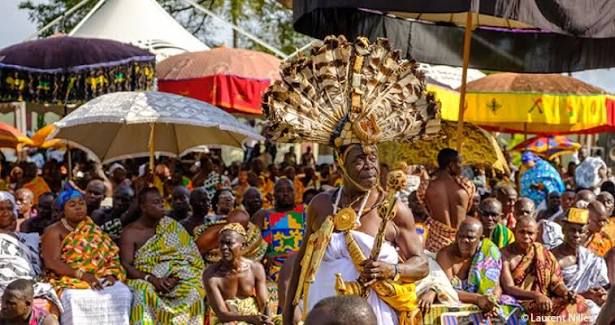
Our heritage is our identity. Our culture is our pride. Preserving our history is our responsibility.
Every great people are defined not only by their achievements but also by the history, traditions, values, and cultural identity they pass from one generation to another. For the Asante people, our heritage represents centuries of courage, wisdom, leadership, unity, creativity, and resilience. It is a legacy that deserves to be protected, celebrated, and preserved.
The Ashanti Kingdom, known for its rich cultural traditions and remarkable history, has contributed significantly to Ghana's identity and the broader African story. From the establishment of the Asante Kingdom to the enduring significance of the Golden Stool, our history tells a powerful story of unity, sovereignty, leadership, and collective responsibility.
However, preserving this remarkable heritage requires more than remembering historical events. It requires deliberate action, active participation, and a commitment to ensuring that future generations understand where they come from and appreciate the values that define their identity.
UNDERSTANDING THE VALUE OF OUR HERITAGE
Heritage is more than traditional clothing, festivals, music, dancing, or historical monuments. It encompasses our language, customs, beliefs, traditional institutions, craftsmanship, moral values, and collective experiences.
Our traditions provide a connection between the past and the present. They help us understand the struggles, sacrifices, achievements, and wisdom of those who came before us.
The Golden Stool, for instance, remains a powerful symbol of Asante unity, identity, and collective authority. Its historical and cultural significance reminds us of the importance of protecting the values that hold our people together.
Our Kente cloth, Adinkra symbols, traditional ceremonies, oral histories, and the Twi language are equally important expressions of our cultural identity.
These are not merely things to admire during festivals or special occasions. They are valuable elements of our identity that must remain relevant in our everyday lives.
THE ROLE OF THE YOUTH IN PRESERVING ASANTE CULTURE
The future of our heritage largely depends on the willingness of the younger generation to understand, embrace, and promote it.
In today's rapidly changing world, young people are increasingly exposed to different cultures, lifestyles, and influences through technology, education, entertainment, and social media. While these developments create opportunities for learning and global interaction, they also make it important for us to remain connected to our roots.
Being modern does not mean abandoning our identity. We can embrace innovation, acquire global knowledge, and participate in modern society while remaining proud of our cultural heritage.
Asante youth must take an active interest in learning the history of their kingdom, speaking and promoting the Twi language, understanding traditional values, and participating in cultural activities.
We must also use modern technology to document historical accounts, produce educational videos, organize cultural discussions, and share authentic information about Asante history with audiences across the world.
Our heritage should not exist only in history books. It should live in our conversations, our actions, our institutions, and our everyday experiences.
PRESERVING OUR LANGUAGE, TRADITIONS AND HISTORY
One of the most important ways to preserve a people's identity is through language.
The Twi language is an essential part of Asante cultural expression. It carries our proverbs, wisdom, traditional greetings, historical narratives, and ways of understanding the world.
Encouraging younger generations to speak, read, understand, and appreciate Twi is therefore an important step towards cultural preservation.
Similarly, our traditional customs and ceremonies deserve proper understanding and documentation. Our festivals, traditional music, dances, craftsmanship, storytelling, and historical landmarks provide opportunities to educate younger generations about the richness of our culture.
We must encourage historians, traditional authorities, cultural enthusiasts, educators, and young researchers to work together in documenting and sharing authentic accounts of our history.
Preservation must also involve distinguishing historical facts from misconceptions and ensuring that cultural knowledge is communicated responsibly.
USING MODERN TECHNOLOGY TO PROMOTE OUR HERITAGE
The digital age presents an extraordinary opportunity for cultural preservation.
Social media, websites, podcasts, radio, documentaries, and other digital platforms can help make Asante history and culture accessible to people across different geographical locations.
A young person in Kumasi should be able to share cultural knowledge with another young person in London, New York, Toronto, or Johannesburg.
Through digital education and media engagement, we can create a global community of people who appreciate, understand, and actively promote Asante heritage.
Technology should not be viewed as a threat to our traditions. Instead, it should become one of the tools we use to protect, document, promote, and transmit our cultural identity.
UNITING THE ASANTE DIASPORA
Our heritage extends beyond geographical boundaries.
Thousands of people of Asante descent live outside Ghana, contributing their knowledge, skills, resources, and talents to different societies around the world.
Although distance may separate us, our shared history and cultural identity provide a foundation for unity.
Strengthening connections between Asantes at home and abroad can create valuable opportunities for cultural exchange, professional networking, mentorship, education, and community development.
The Asante diaspora has an important role to play in preserving our heritage and supporting initiatives that contribute to the advancement of Asanteman.
By connecting the experience and expertise of our people across the world, we can build stronger networks that benefit both present and future generations.
THE ASHANTI YOUTH HERITAGE ALLIANCE: A COMMITMENT TO OUR FUTURE
The Ashanti Youth Heritage Alliance (AYHA) recognizes that preserving our heritage requires collective responsibility.
Our commitment goes beyond celebrating our history. We seek to mobilize young people, encourage cultural education, promote volunteering, strengthen diaspora connections, and create opportunities for meaningful contributions to the development of Asanteman.
Through our three communities, we provide opportunities for young people to participate according to their interests and abilities:
1. Asanteman Volunteers Community
This community brings together young people who are passionate about serving their communities through volunteer activities, social initiatives, cultural programmes, and developmental projects.
2. Asante History, Culture & Tradition Community
This community provides a platform for individuals interested in learning, documenting, discussing, and promoting Asante history, Twi language, traditional customs, and cultural heritage.
3. Asanteman Elite Community
This community connects professionals, academics, entrepreneurs, and members of the Asante diaspora who are interested in networking, mentorship, strategic planning, and contributing their expertise towards the development of Asanteman.
Through these communities, AYHA seeks to transform cultural appreciation into meaningful participation and collective action.
OUR COLLECTIVE RESPONSIBILITY
Preserving our heritage is not the responsibility of traditional authorities, historians, or cultural organizations alone. It is a responsibility shared by every generation.
Parents must teach their children about their roots. Educational institutions must encourage cultural awareness. Historians must document our past. Traditional leaders must continue to safeguard our customs and institutions. Young people must embrace the responsibility of carrying this legacy forward.
We must create opportunities for our children and grandchildren to understand the significance of their identity and appreciate the sacrifices that shaped the society they inherit.
A people who understand their history are better positioned to shape their future.
CONCLUSION: OUR HERITAGE, OUR PRIDE, OUR FUTURE
The story of Asanteman is a story worth preserving and sharing with the world.
Our history gives us identity. Our traditions connect us. Our values guide us. Our unity gives us strength.
We must never allow our cultural identity to become something that exists only in memories or historical records. Instead, we must make it a living part of our present and an enduring foundation for our future.
The responsibility begins with us. Every young person who learns an Asante proverb, speaks the Twi language, documents a historical account, participates in a cultural activity, or contributes to community development is helping to preserve a valuable part of our heritage.
Let us embrace our roots, celebrate our identity, and work together to build a future worthy of the legacy we have inherited.
The past has given us an identity. The present has given us a responsibility. The future is waiting for our contribution.
ASHANTI YOUTH HERITAGE ALLIANCE (AYHA)
Uniting the Youth. Preserving the Legacy. Building Asanteman.
Written by AYHA Editorial Team
Published by the Ashanti Youth Heritage Alliance as part of our record of Asante heritage, youth leadership and community progress.