
Alliance news
The Legacy of the Golden Stool
The Golden Stool is not merely a symbol of the past; it is a reminder of who the Asante people are, what unites them, and the legacy they must preserve for generations to come.
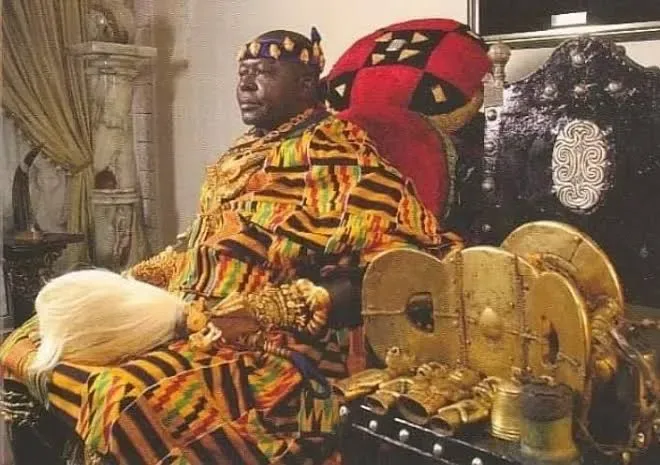
A Sacred Symbol of Identity, Authority, and the Enduring Spirit of the Asante Kingdom
Throughout history, certain objects have represented far more than their physical appearance. They embody the identity, values, history, and collective aspirations of an entire people. For the Asante people of Ghana, one such powerful symbol is the Golden Stool (Sika Dwa Kofi). More than a royal artefact, the Golden Stool represents the soul of the Asante nation, the foundation of its unity, and the enduring legacy of its ancestors.
To understand Asante history and heritage fully, one must understand the significance of the Golden Stool.
The Historical Origin of the Golden Stool
The history of the Golden Stool is closely connected to the establishment of the Asante Kingdom in the late seventeenth century. Before the formation of a united Asante state, several Akan communities existed as independent groups, often facing political disagreements and external threats.
It was during this period that Osei Tutu I, with the spiritual guidance of the renowned priest and statesman Okomfo Anokye, worked towards uniting the various Asante chiefdoms into one powerful kingdom.
According to Asante oral tradition, Okomfo Anokye invoked the spiritual presence of the ancestors, and the Golden Stool descended from the heavens onto the lap of Osei Tutu I. This extraordinary event is believed to have occurred around 1701.
The stool was declared the sacred symbol of the collective soul of the Asante people. It was not merely the personal property of the Asantehene (King of Asante), but the spiritual possession of the entire Asante nation.
This declaration established an important principle: the strength and legitimacy of the Asante Kingdom rested on the unity of its people.
What Does the Golden Stool Represent?
The Golden Stool carries several layers of meaning that continue to influence Asante society.
1. Unity and Collective Identity
The most important meaning of the Golden Stool is unity. It represents the collective spirit of the Asante people, regardless of their individual clans, communities, or social positions.
It reminds the people that they belong to one larger community with a shared history, identity, and destiny. The stool therefore stands as a powerful reminder that unity is essential for the survival and progress of a society.
2. Traditional Authority and Leadership
The Golden Stool is closely associated with the authority of the Asantehene. However, its significance goes beyond the authority of an individual ruler.
The Asantehene serves as the custodian of the stool, symbolising the responsibility of traditional leadership to protect the interests, dignity, and heritage of the Asante people.
It reinforces the understanding that leadership is not simply about power but also about service, responsibility, and the preservation of collective values.
3. Spiritual Connection with the Ancestors
For the Asante people, the Golden Stool represents a spiritual connection between the living, the dead, and generations yet unborn.
It symbolises the presence and continuity of the ancestors within the community. This spiritual dimension makes the stool sacred and distinguishes it from ordinary royal furniture.
4. Cultural Identity and Heritage
The Golden Stool is one of the most recognisable symbols of Asante cultural identity. It represents the traditions, customs, values, and historical experiences that have shaped the Asante people over generations.
Its continued preservation demonstrates the importance of protecting cultural heritage in a rapidly changing world.
The Golden Stool and the War of the Golden Stool
One of the most significant events in the history of the Golden Stool was the conflict of 1900, popularly known as the War of the Golden Stool or the Yaa Asantewaa War.
Following British colonial occupation and growing interference in Asante affairs, tensions increased when British Governor Sir Frederick Hodgson demanded that the Golden Stool be brought to him.
For the Asante people, this demand was an unacceptable insult to their sacred heritage and national identity.
In response, Yaa Asantewaa, the courageous Queen Mother of Ejisu, emerged as a central figure in the resistance against British colonial rule. She rallied Asante warriors and leaders to defend their kingdom and the dignity represented by the Golden Stool.
Although the British eventually suppressed the resistance, the Golden Stool was protected and remained beyond their possession.
This historical episode demonstrated that the stool was not simply an object of gold. It represented something far more valuable: the identity, freedom, dignity, and unity of an entire people.
The courage displayed by Yaa Asantewaa and other Asante leaders remains an important part of Ghana's historical memory.
The Golden Stool in Contemporary Asante Society
Today, the Golden Stool remains an important symbol of Asante traditional authority and cultural continuity.
Although Ghana has developed into a modern democratic state, traditional institutions continue to play important roles in cultural preservation, community leadership, conflict resolution, and the promotion of social values.
The Golden Stool reminds contemporary Asantes that modernisation should not mean abandoning their identity.
Asante traditions, including the celebration of festivals, the observance of traditional ceremonies, the use of the Twi language, and the preservation of historical sites, all contribute to maintaining the cultural values represented by the stool.
For younger generations, understanding its significance provides an opportunity to appreciate their history and develop a stronger sense of belonging.
Why the Golden Stool Matters to the Younger Generation
In an increasingly globalised world, young people are constantly exposed to different cultures, lifestyles, and ideas. While embracing global opportunities is important, maintaining a connection with one's cultural roots is equally valuable.
The Golden Stool offers several lessons for today's youth:
Unity is strength: Differences in background, opinion, and community should not prevent people from working towards common goals.
Respect your heritage: Understanding where we come from helps us appreciate who we are.
Leadership requires responsibility: True leadership involves protecting the interests and dignity of the people.
Preserve history for the future: Cultural heritage must be documented, protected, and passed on to future generations.
Pride in identity matters: Knowing and appreciating one's culture builds confidence and a stronger sense of belonging.
Young people must therefore become active participants in preserving Asante heritage rather than simply inheriting it without understanding its significance.
Preserving the Legacy of the Golden Stool
The responsibility of protecting Asante heritage does not belong exclusively to traditional rulers, historians, or cultural institutions. It is a shared responsibility that involves every generation.
Educational institutions, cultural organisations, families, and youth associations must work together to promote historical awareness and cultural education.
Initiatives such as heritage education programmes, traditional storytelling, cultural festivals, historical research, and digital documentation can help preserve important aspects of Asante history.
Organisations such as the Ashanti Youth Heritage Alliance (AYHA) have an important role to play in encouraging young people to explore their cultural roots, appreciate their traditions, and contribute to the preservation of their heritage.
The Golden Stool should not only be remembered as a symbol from the past but also understood as a continuing source of inspiration for the future.
Conclusion: A Legacy Beyond Gold
The Golden Stool is far more than a beautifully crafted royal symbol. It represents the collective soul, historical identity, spiritual heritage, and unity of the Asante people.
From its legendary origin through the formation of the Asante Kingdom to the resistance against British colonial interference, its story reflects the determination of a people to protect their identity and preserve their collective dignity.
Its greatest lesson remains relevant today: a people who understand the value of their heritage are better equipped to protect their identity and build a united future.
As the younger generation inherits the responsibility of preserving Asante history, the legacy of the Golden Stool must continue to inspire unity, cultural pride, responsible leadership, and commitment to heritage preservation.
The gold may shine, but the true value of the Golden Stool lies in what it represents: the enduring spirit of the Asante people.
The Golden Stool is not merely a symbol of the past; it is a reminder of who the Asante people are, what unites them, and the legacy they must preserve for generations to come.
Published by: Ashanti Youth Heritage Alliance (AYHA)
Written by AYHA Editorial Team
Published by the Ashanti Youth Heritage Alliance as part of our record of Asante heritage, youth leadership and community progress.